
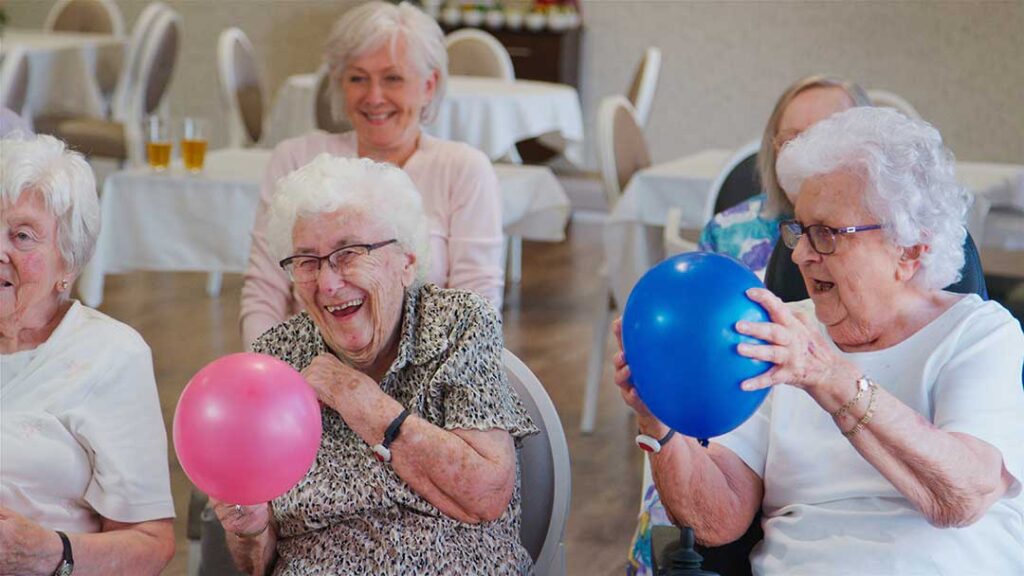
Seasonal activities give assisted living residents regular opportunities for movement, conversation, creativity, and connection with the surrounding community. In Girard, PA, changing weather and familiar yearly traditions can provide a natural rhythm for daily life, whether activities take place indoors, outdoors, individually, or in small groups.
The most successful programs are not built around filling time. They are designed around residents’ interests, abilities, life experiences, and comfort levels. A good seasonal activity can be active or quiet, social or independent, familiar or new.
What makes a seasonal activity suitable for assisted living?
A suitable activity is safe, adaptable, and meaningful to the people participating. It should offer more than entertainment by encouraging a sense of purpose, choice, memory, or connection.
Activities may need adjustments for residents who have arthritis, limited vision, hearing loss, balance concerns, dementia, or reduced stamina. Helpful adaptations include:
- Using lightweight or easy-to-grip materials
- Offering seated and standing versions of the same activity
- Providing large-print instructions and strong color contrast
- Keeping sessions short, with breaks available
- Limiting background noise during conversations or music
- Letting residents observe without pressure to participate
- Offering one-step instructions for residents who become overwhelmed
Seasonal programming should also account for temperature, ice, snow, rain, pollen, daylight, and the possibility of sudden weather changes. In northwestern Pennsylvania, outdoor plans often need an indoor alternative.
Which spring activities work well for older adults?
Spring activities can focus on renewal, gardening, birds, music, and preparing for warmer days. Even residents who cannot work in a garden can participate in planting, arranging, or discussing plants.
Examples include:
- Starting seedlings in small containers
- Creating herb gardens on a windowsill
- Decorating planters with paint, fabric, or large stickers
- Sorting seed packets and identifying familiar flowers
- Listening for spring birds from a porch or near an open window
- Making simple spring decorations for common areas
- Holding a “signs of spring” conversation using photographs and objects
- Folding towels or organizing gardening tools as a practical, purposeful task
Gardening activities should be adapted for comfort and safety. Raised containers, tabletop planters, and lightweight watering cans can reduce bending and lifting. Soil and plant materials should be checked for allergies, and handwashing should be available afterward.
Spring is also a useful time to revisit walking routines. A short supervised walk may be more comfortable than a long outing, particularly when paths are wet or uneven. Residents who prefer not to walk can take part in seated stretching while looking outdoors.
How can summer activities remain safe and enjoyable?
Summer programs should emphasize hydration, shade, sun protection, and flexible scheduling. Outdoor activities are often most comfortable during cooler morning or evening hours rather than the hottest part of the day.
Appropriate ideas include:
- Seated patio conversations
- Outdoor music listening
- Container gardening
- Watercolor painting inspired by flowers or scenery
- Ice cream or fruit tasting with attention to dietary needs
- Simple ring toss or balloon games
- Reading groups near an open window or shaded outdoor area
- Reminiscence discussions about summer jobs, vacations, fairs, or family traditions
Heat can affect older adults more quickly than they may realize. Staff and family members should watch for unusual tiredness, dizziness, headache, confusion, sweating changes, or weakness. Residents should have easy access to fluids unless a medical care plan limits them.
Not every summer activity needs to happen outside. A room with good natural light can support bird watching, flower arranging, music, and art without exposing residents to heat or insects. Keeping indoor spaces comfortably cool is especially important for residents with health conditions affected by temperature.
What are meaningful fall activities for residents?
Fall offers opportunities connected to harvest, changing leaves, family traditions, cooking memories, and preparation for colder weather. These activities often work well because they invite residents to share personal stories.
Possible activities include:
- Leaf-themed crafts using paper rather than real leaves
- A discussion about favorite fall foods and family recipes
- Sorting apples by color or size
- Decorating pumpkins with paint or fabric
- Listening to seasonal music
- Looking through photographs of past autumn gatherings
- Making a collage using large, easy-to-handle materials
- Folding napkins or arranging decorations for a shared meal
Food-based activities should be planned with swallowing needs, allergies, diabetes management, and other dietary restrictions in mind. Residents can still participate by smelling spices, discussing recipes, measuring safe ingredients, or helping choose decorations.
Fall weather can change quickly. Outdoor excursions should include warm layers, accessible paths, and a clear plan for returning indoors. Wet leaves, uneven sidewalks, and early darkness may create fall hazards that are easy to overlook.
Which winter activities help residents stay engaged indoors?
Winter activities should address more than cold weather. Reduced daylight, fewer outdoor opportunities, holiday stress, and social isolation can affect mood and energy. A balanced winter calendar includes exercise, creative work, conversation, music, and quiet choices.
Useful options include:
- Chair exercises and gentle stretching
- Indoor walking routes
- Large-piece puzzles and tabletop games
- Knitting, quilting, or other familiar handwork
- Reading aloud or listening to recorded stories
- Making winter decorations
- Watching and discussing nature programs
- Writing cards or letters to relatives
- Reminiscing about winter traditions and past celebrations
- Simple baking demonstrations that do not require residents to handle hot equipment

Holiday activities should remain inclusive. Not every resident celebrates the same traditions, and some may have difficult memories connected to particular holidays. Programs can include broader themes such as winter music, family customs, light, gratitude, seasonal foods, or childhood memories.
Cold-weather safety also matters inside the residence. Residents may be more likely to slip when wearing bulky clothing or walking near entrances where snow and moisture are tracked indoors. Activities should not block hallways, exits, or mobility equipment.
How can activities support residents with memory loss?
Residents living with dementia or other memory changes often benefit from familiar, sensory, and easy-to-follow activities. The goal is participation and comfort rather than completing a project perfectly.
Helpful approaches include:
- Using familiar songs and objects
- Demonstrating each step instead of giving several instructions at once
- Repeating routines at consistent times
- Providing sorting, folding, matching, or arranging tasks
- Avoiding correction when a resident shares a mistaken memory
- Focusing on feelings and connection rather than factual accuracy
- Ending the activity before frustration or fatigue becomes obvious
Seasonal objects can encourage conversation, but they should be selected carefully. Small pieces, sharp tools, hot liquids, and choking hazards may not be appropriate for every resident.
How can families participate without making activities feel difficult?
Family participation works best when it is relaxed and connected to the resident’s interests. A relative might bring photographs, share a familiar recipe, listen to music, help with a craft, or join a short outdoor visit.
Visits do not need to involve a special event. Sitting together while sorting buttons, looking at flowers, folding laundry, or listening to a favorite recording can provide meaningful companionship.
Residents should also be allowed to decline participation. Rest, privacy, and quiet time are part of a healthy daily routine. Seasonal programming is most effective when it offers choices rather than creating pressure to attend every event.
What should a balanced activity calendar include?
A well-rounded calendar includes different levels of energy, social interaction, and independence. It may offer:
- Daily movement suited to residents’ abilities
- Regular opportunities for conversation
- Creative and sensory activities
- Purposeful household or gardening tasks
- Quiet options for reflection and rest
- Indoor alternatives for unsafe weather
- Familiar routines along with occasional new experiences
The strongest seasonal programs respect individual preferences. Some residents may enjoy a lively group activity, while others prefer a small conversation, a short walk, or a familiar task completed at their own pace. In assisted living, meaningful participation is measured by comfort, connection, and dignity—not by how elaborate the activity appears.
