

Assisted living can help senior couples remain together even when one person needs more support than the other. The key is finding a setting and care plan that recognize both individuals, rather than treating the couple as if they have identical health, mobility, or daily living needs.
Can a couple stay together if only one partner needs assisted living?
Often, yes. Many assisted living settings are designed for residents with different levels of independence, although available arrangements and care policies vary.
One partner may need help with bathing, dressing, medication reminders, or walking safely. The other may still manage most personal tasks independently but benefit from meals, transportation, housekeeping, social activities, or relief from household maintenance. A shared apartment or suite may allow the couple to live together while receiving different levels of assistance.
This arrangement can reduce the emotional strain of separating after many years of marriage. It also allows each person to receive support based on actual needs instead of forcing both partners into the same routine.
Before moving, families should ask:
- Can spouses share a room or apartment?
- Are care services assessed separately for each resident?
- Can one partner receive more hands-on help than the other?
- What happens if one person’s needs increase?
- Are there additional charges for different care levels?
- Is nursing or memory-related care available if circumstances change?
The answers should be clear before a decision is made.
How are different care needs handled?
Care planning is usually individualized. Staff assess each resident’s abilities, health concerns, routines, and preferences. A couple may live in the same residence but have separate care plans.
For example, one spouse might need:
- Help getting in and out of bed
- Assistance with bathing or toileting
- Medication administration or reminders
- Fall-prevention support
- Help using a walker or wheelchair
The other spouse might need only:
- Prepared meals
- Light housekeeping
- Transportation within the community
- Occasional wellness checks
- Assistance with scheduling or communication
These differences should not prevent the couple from sharing meals, attending activities, or spending private time together. Good planning separates care tasks from the couple’s relationship. Assistance should support independence and dignity rather than make one partner feel defined by a diagnosis or disability.
What if one spouse has memory loss?
Memory loss requires especially careful planning. A spouse with dementia or another cognitive condition may need reminders, supervision, or a secure environment. The other partner may not need memory care at all.
Some communities offer assisted living and memory-support services on the same campus or within the same broader setting. This can allow spouses to remain nearby even if they cannot safely receive identical services. In other cases, a couple may share living space for a time, while one partner receives additional monitoring during the day or overnight.
Families should ask about:
- Wandering or exit-seeking policies
- Support with bathing, dressing, and meals
- How behavioral changes are handled
- Whether the partner can participate in visits and activities
- What happens if the person with memory loss becomes unsafe in a shared apartment
- Whether the spouse is expected to provide unpaid supervision
A spouse should not quietly become the primary caregiver simply because the couple lives together. If one partner is providing frequent lifting, monitoring, medication management, or personal care, the arrangement may no longer be sustainable.
How can assisted living protect the healthier spouse from caregiver burnout?
Assisted living can reduce the physical and emotional responsibilities placed on the spouse who is more independent. This may be particularly helpful when one partner has been managing nearly everything at home, including meals, transportation, medications, appointments, laundry, and nighttime supervision.
A healthier spouse may still want to help with companionship and decision-making. That is different from being responsible for constant care.
Useful boundaries may include:
- Staff handle bathing, toileting, transfers, and medication routines.
- The spouse chooses which activities to share.
- Family members divide visits and administrative tasks.
- Care needs are reviewed before the independent partner becomes exhausted.
- Changes in sleep, mood, weight, mobility, or safety are reported promptly.
For families in Girard, seasonal conditions also deserve attention. Snow, ice, short winter daylight, and changing road conditions can make errands, outdoor walking, and emergency transportation more difficult. A living arrangement that works in mild weather may become much harder during winter if the couple depends heavily on one another for transportation or mobility support.
Can couples maintain privacy and independence?
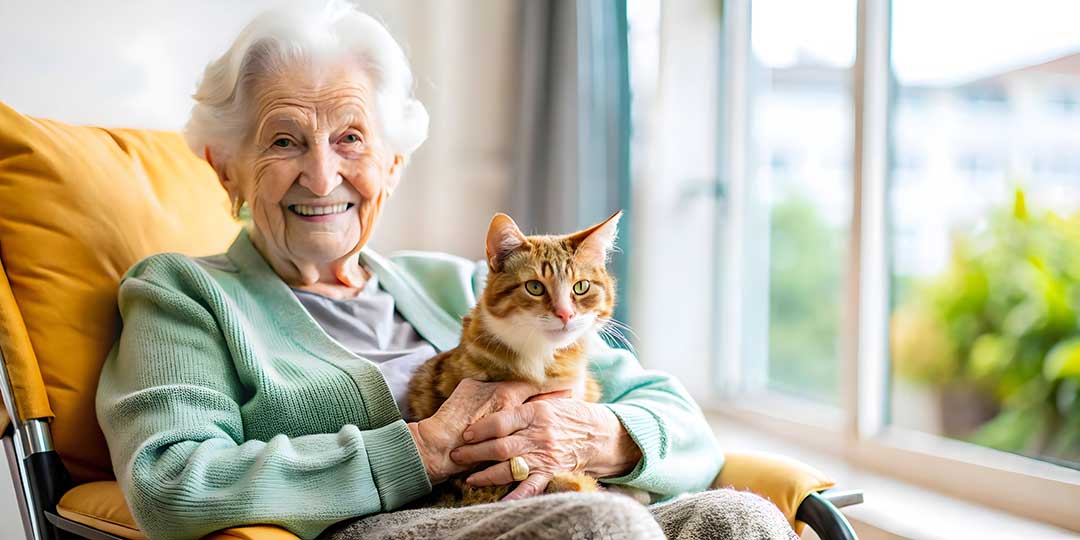
They should be able to maintain both, within the limits of safety and the residence’s policies. Couples may have different sleep schedules, dietary preferences, hobbies, or social habits. One partner may enjoy group activities while the other prefers quiet time.
A practical living plan may include:
- Separate personal storage areas
- Different wake-up and bedtime routines
- Private time for each partner
- Freedom to attend activities independently
- Individual medical appointments and care discussions
- Personal choices about clothing, meals, and daily schedules
Privacy also applies to health information. Staff may need permission to discuss one partner’s medical details with the other, depending on the circumstances and applicable privacy rules. Couples and families should clarify who can participate in care planning and decision-making.
What financial questions should couples consider?
Costs may differ because care needs differ. One spouse may require substantial hands-on assistance while the other pays mainly for housing, meals, and basic services. The total monthly expense may therefore be higher than a simple two-person housing charge.
Families should request a written explanation of:
- Base room or apartment costs
- Personal care charges
- Medication management fees
- Memory-support costs
- Transportation charges
- Laundry or housekeeping fees
- One-time move-in expenses
- How prices change when care needs increase
It is also wise to examine whether both partners must move out if one person later needs a different level of care. A couple may prefer a setting that offers several care options nearby, but suitability depends on health needs, staffing, safety policies, and affordability.
What should families watch for after the move?
The first several weeks can reveal whether the arrangement is working. Adjustment is not always immediate, especially after leaving a longtime home.
Signs that the plan may need review include:
- One spouse is still providing extensive personal care
- A partner is frequently missing meals or medications
- Falls or nighttime confusion are increasing
- One person feels isolated or overly restricted
- The couple is arguing about care responsibilities
- Staff and family members have different understandings of the care plan
A care plan should be reviewed whenever there is a fall, hospitalization, major medication change, noticeable memory decline, or significant change in mobility. The goal is not to keep every arrangement unchanged. The goal is to keep both partners safe, respected, and as connected as possible.
For senior couples, assisted living is not simply a housing decision. It is a way to balance companionship with individualized support. The strongest arrangements recognize that two people can share a life, a home, and daily experiences while still needing very different kinds of assistance.
